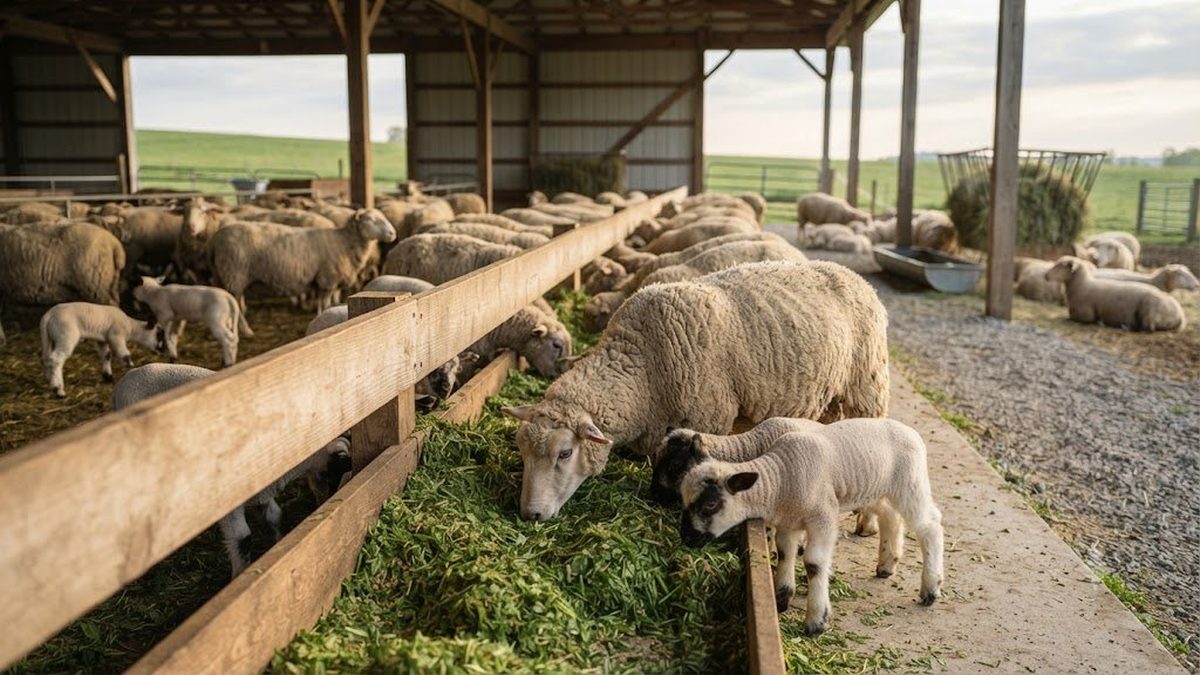
Step-by-step mathematical ration formulation tailored to the reproductive cycle: pre-breeding flushing, early and late pregnancy metabolizable energy scaling, peak lactation support, and lamb creep feeder optimization.
1. Foundational Biological Framework & Global Sheep Agronomy
The modern discipline of ovine science represents a sophisticated convergence of ruminant nutritional physiology, genetic architecture, environmental ethology, and bio-economic flock engineering. Whether managing intensive commercial lambing operations, pastoral rangeland fine-wool enterprises, or specialized small-ruminant dairy systems, sheep producers operate within an intricate biological continuum where every management decision reverberates across productivity, animal welfare, and operational viability.
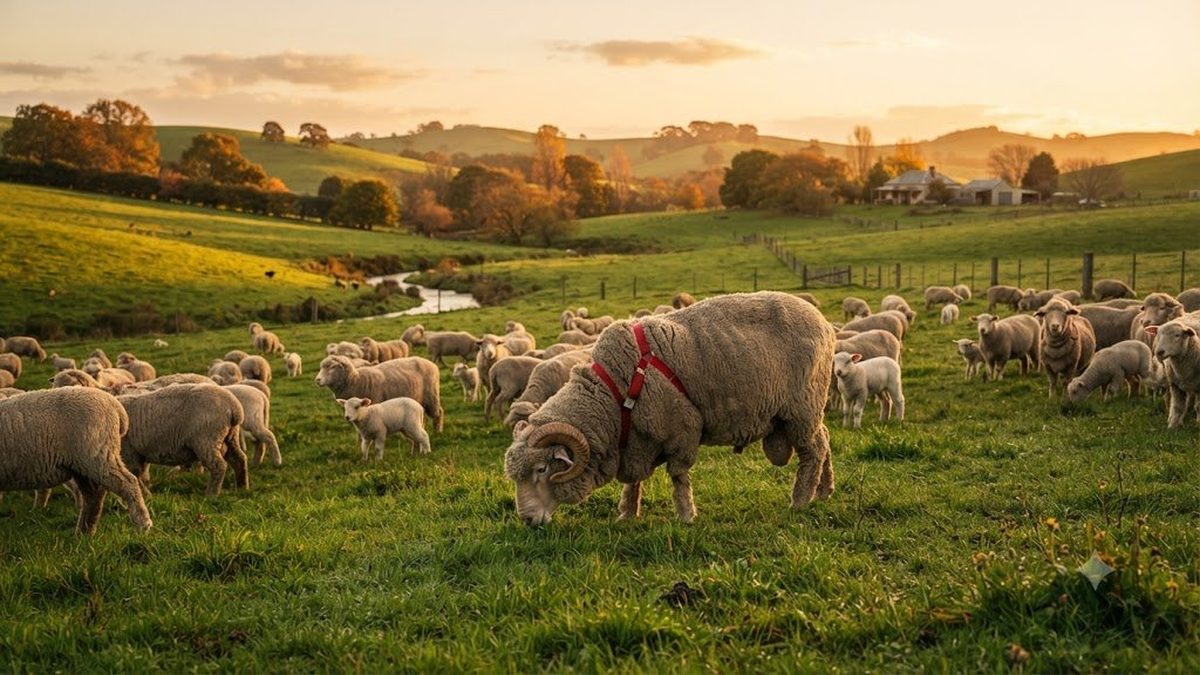
Domestic sheep (Ovis aries) possess a specialized four-compartment ruminant digestion system uniquely optimized to convert low-lignin grasses, legumes, and rangeland browse into high-value animal protein, bio-active milk solids, and natural keratin fiber. Understanding the fundamental metabolic mechanisms of the reticulorumen—where billions of symbiotic anaerobic bacteria, protozoa, and fungi ferment cellulose, hemicellulose, and pectin—is the cornerstone of effective flock management. Unlike monogastric livestock, ovine efficiency hinges on feeding the rumen microbiome rather than the animal directly.
On an international scale, commercial sheep farming is experiencing a transformative shift toward high-precision husbandry. Advanced selective breeding, genomic indexing, ultrasound carcass measurement, and digital flock health tracking have superseded legacy rangeland practices. Simultaneously, increasing pressure from climate volatility, emerging anthelmintic resistance among trichostrongylid nematodes, and heightened scrutiny of animal welfare require contemporary producers to adopt a rigorously scientific, holistic operational philosophy.
- Rumen Microbial Fermentation: Optimum rumen pH rests between 6.2 and 6.8. Rapid fluctuations below 5.8 induce subacute rumen acidosis (SARA), halting fiber-digesting cellulolytic bacterial activity.
- Gregarious Flock Instinct: Sheep exhibit pronounced herd cohesion (allelomimetic behavior). Disruption of flock dynamics triggers acute cortisol secretion, depressing immune competence and dry matter intake.
- Thermal Plasticity: Wool coats provide superior thermal insulation against extreme cold (-20°C) through trapped dead-air space, but present severe thermoregulatory challenges under high ambient temperature and relative humidity.
- Hepatic Copper Sensitivity: Unique ovine biliary excretion limitations render sheep exceptionally susceptible to chronic hepatic copper storage, predisposing animals to hemolytic crises.
2. Exhaustive Technical Analysis: Formulating Rations for Ewes, Rams, and Lambs: Life-Stage Feeding Protocols
Delving deeply into the specific parameters of formulating rations for ewes, rams, and lambs: life-stage feeding protocols, agricultural practitioners must analyze both micro-level biological interactions and macro-level management systems. Achieving superior performance demands mastery over physiological baselines, input calibration, environmental interactions, and daily operational discipline.
2.1 Phenotypic Expression, Morphological Structure, and Genetic Heritability
The structural conformation and physiological capability of the sheep flock represent the direct phenotypic realization of inherited genetic traits filtered through environmental management. In commercial operations, quantitative genetic selection targets moderately to highly heritable traits such as post-weaning growth rate ($h^2 \approx 0.30 – 0.40$), clean fleece weight ($h^2 \approx 0.35 – 0.45$), and milk yield ($h^2 \approx 0.25 – 0.35$). Conversely, reproductive fitness, maternal longevity, and lamb survival demonstrate lower heritability ($h^2 \approx 0.05 – 0.15$), indicating that environmental protocols, plane of nutrition, and lambing management exert the primary influence over reproductive success.
Skeletal geometry, dental soundness, and structural locomotion govern the productive longevity of individual animals within grazing ecosystems. Correct leg angles—specifically a 45-degree pastern slope and clean hock alignment—prevent premature arthritic degeneration and enable continual pasture foraging across challenging topography. Ewes exhibiting sound udder conformation, characterized by high lateral ligament attachment and teats positioned symmetrically at the lowest point of each quarter, drastically reduce neonatal lamb starvation and mastitic cull rates.
2.2 Metabolic Kinetics, Energy Partitioning, and Growth Trajectories
Energy metabolism in ovine livestock operates across distinct physiological phases: maintenance, growth, gestation, lactation, and wool production. The partition of metabolizable energy (ME) into net energy for maintenance ($NE_m$), net energy for gain ($NE_g$), and net energy for lactation ($NE_l$) dictates whether dietary inputs yield lean tissue accretion, adipose deposition, or high milk synthesis. The maintenance requirement of a mature ewe scales metabolically to body weight via the standard relationship:
During late gestation (the final 42 days of the 147-day ovine pregnancy), fetal tissue mass expands by over 70 percent. Simultaneously, the expanding gravid uterus physically compresses the rumen capacity by 20 to 30 percent, creating a severe nutritional paradox: escalating nutrient demand amidst diminishing volumetric intake capacity. Failure to increase diet nutrient density during this crucial window triggers rapid adipose mobilization, excessive hepatic ketone accumulation, and clinical ovine pregnancy toxemia (ketosis).
2.3 Pathophysiological Vectors and Integrated Immunological Defense
Flock resilience requires an active barrier against microbial, parasitic, and environmental stressors. The ovine respiratory and gastrointestinal tracts represent primary defense interfaces. Environmental dust, high atmospheric ammonia levels (>20 ppm), and abrupt temperature transitions paralyze the mucociliary escalator of the respiratory epithelium, allowing opportunistic commensal pathogens such as Mannheimia haemolytica and Pasteurella multocida to penetrate the lower pulmonary parenchyma, precipitating fatal acute fibrinous pleuropneumonia.
In grazing ecosystems, gastrointestinal nematodes—primarily the hematophagous Haemonchus contortus (barber pole worm), Teladorsagia circumcincta, and Trichostrongylus colubriformis—present an existential production challenge. A single adult female H. contortus consumes up to 0.05 mL of blood per day and sheds 5,000 to 10,000 eggs daily. In susceptible lambs, worm burdens exceeding 2,000 to 3,000 parasites cause rapid, lethal hemorrhagic anemia, hypoproteinemia, submandibular edema (‘bottle jaw’), and metabolic collapse without clinical diarrhea.
3. Comparative Parameters & Quantitative Scientific Metrics
To establish rigorous benchmarks for flock assessment, commercial managers utilize standardized biological and agronomic parameters. The following matrix illustrates key performance indicators across contrasting production models, genetic cohorts, and management methodologies:
| Evaluation Metric / Parameter | Baseline / Heritage Cohort | Commercial Optimized Model | High-Intensity Specialist System | Target Variance & Action Threshold |
|---|---|---|---|---|
| Daily Dry Matter Intake (% Body Weight) | 1.8% – 2.2% | 2.8% – 3.4% | 3.8% – 4.5% | < 2.2% in lactation requires ration adjustment |
| Body Condition Score (BCS 1–5 Scale) | 2.0 – 2.5 | 3.0 – 3.5 (flushing/lambing) | 3.0 constant baseline | BCS < 2.0 or > 4.0 elevates dystocia / toxemia |
| Average Daily Gain (ADG) Lambs (g/day) | 150 – 200 g/day | 280 – 350 g/day | 400 – 480 g/day | < 220 g/day indicates coccidiosis or energy deficit |
| Weaning Percentage (Lambs Weaned / Ewe Mated) | 110% – 130% | 160% – 185% | 200% – 230% | < 140% commercial viability compromised |
| Internal Parasite Fecal Egg Count (EPG) | < 500 EPG | < 300 EPG | Zero tolerance / Confinement | > 750 EPG requires targeted selective treatment |
| Replacement Ewe Longevity (Productive Years) | 7 – 9 years | 5 – 7 years | 4 – 5 years | Premature culling > 18% annually signals flock stress |
4. Detailed Step-by-Step Implementation Protocols
Executing successful management protocols requires adherence to systematic procedures designed to eliminate human error, preserve biosecurity integrity, and optimize ovine biological response. The following operational sequence outlines best-practice implementation:
Phase 1: Pre-Operational Assessment and Environment Calibration
- Atmospheric and Bedding Verification: Inspect barn humidity, temperature differentials, and litter moisture. Ensure litter moisture remains below 25% and ambient ammonia stays under 10 ppm using calibrated colorimetric detector tubes or digital sensors.
- Forage and Water Testing: Submit representative forage samples for wet-chemistry NIR nutritional profiling (crude protein, ADF, NDF, TDN, and mineral concentrations). Analyze livestock water sources for total dissolved solids (TDS), sulfates, and nitrates.
- Hardware and Structural Audit: Verify perimeter fence energization (minimum 5,000–7,000 volts under summer vegetation load), clean automatic waterers, and sanitize lambing pens with broad-spectrum virucidal and bactericidal disinfectants.
Phase 2: Active Animal Handling and Targeted Interventions
- Low-Stress Animal Movement: Utilize Bud Williams or Temple Grandin animal handling principles. Move sheep through curved, solid-sided raceways utilizing flight zones and natural point-of-balance mechanics, strictly prohibiting physical strikes, loud shouting, or dog bite aggression.
- Accurate Body Condition Scoring: Manually palpate the lumbar spine immediately behind the last rib. Assess spine prominence and loin muscle fullness on a 1.0 to 5.0 scale using 0.5-unit increments to formulate group-level supplemental feeding strategies.
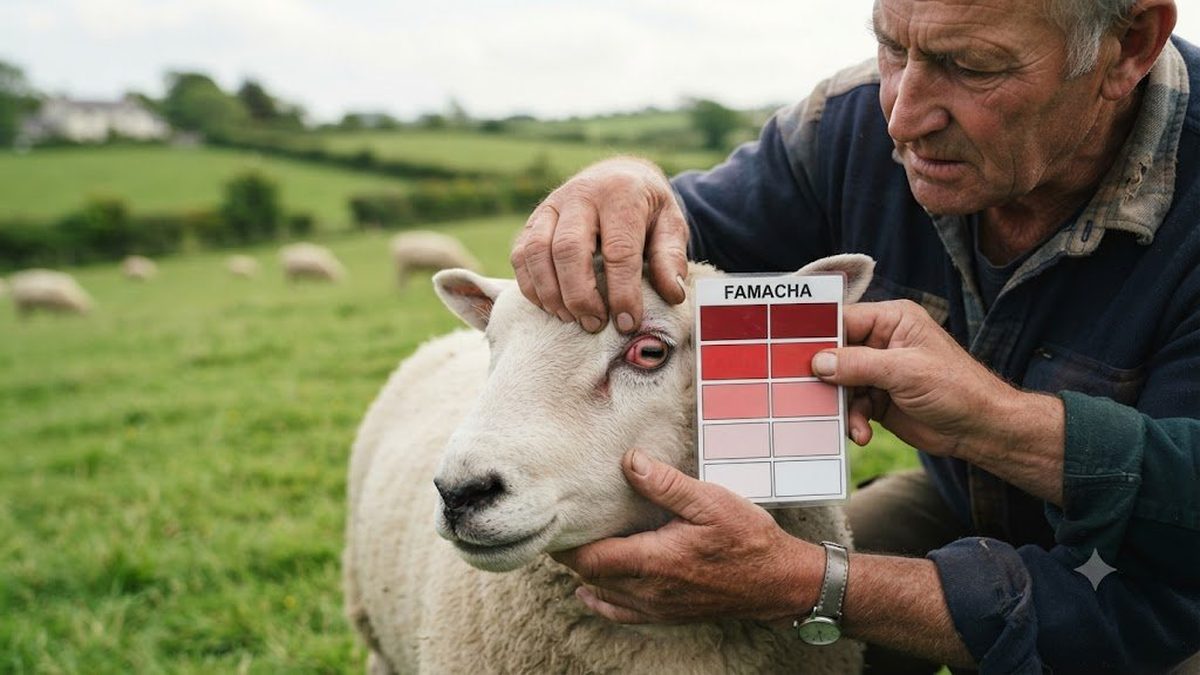
- Targeted Selective Treatment (TST): Examine conjunctival mucous membranes using the standardized FAMACHA card. Drench only scores 4 and 5 (or score 3 if ewes are in peak lactation or carrying multiples), preserving vulnerable refugia parasite genetics to prevent anthelmintic resistance.
Phase 3: Post-Intervention Monitoring and Data Documentation
- Individual Electronic ID (EID) Recording: Scan RFID ear tags to log treatments, weight fluctuations, pedigree linkages, and maternal index traits directly into dedicated livestock management databases.
- Withdrawal Time Adherence: Enforce rigorous statutory meat and milk withdrawal periods for all pharmaceutical applications, logging manufacturer batch numbers and dose calibrations.
- Pasture Residual Tracking: Measure post-grazing sward height using a rising plate meter. Never graze below 7.5 cm (3 inches) to avoid grazing within the high-density nematode larval zone (bottom 5 cm of pasture canopy).
5. Analytical Real-World Case Studies & Troubleshooting Matrix
Case Study A: Managing Subclinical Production Losses in Commercial Grazing Flocks
A mid-sized commercial operation carrying 450 crossbred commercial ewes experienced an unexplained 28% decline in weaning weights accompanied by a 14% lamb mortality rate during unseasonably wet early summer conditions. An intensive diagnostic audit revealed three concurrent operational errors: over-reliance on blanket anthelmintic drenching had induced 94% resistance to benzimidazole drenches; pastures were grazed down to 3 cm, forcing sheep into massive third-stage (L3) H. contortus larval consumption; and high soil molybdenum levels had precipitated secondary clinical copper deficiency.
The corrective intervention entailed transitioning entirely to targeted selective treatment (FAMACHA), introducing rotational grazing across eight subdivided paddocks with mandatory 35-day rest cycles, and formulating a custom mineral premix containing chelated trace minerals with precise copper-to-molybdenum balance. Within 12 months, post-weaning lamb average daily gain surged from 175 g/day to 320 g/day, lamb mortality dropped below 4.5%, and annual drench expenditure decreased by 62%.
Case Study B: Intensive Winter Housing & Lambing Barn Air Quality Optimization
An indoor lambing facility housing 280 purebred ewes encountered chronic neonatal pneumonia outbreaks, with 22% of lambs displaying clinical respiratory distress within the first 14 days of life. Necropsies confirmed acute Mannheimia haemolytica bronchopneumonia exacerbated by severe cilia paralysis. Environmental logging detected interior ammonia spikes exceeding 35 ppm at 30 cm above floor height, created by saturated straw bedding and sealed ridge vents intended to retain ambient warmth.
The engineering remediation involved installing uninsulated open continuous ridge ventilators (5 cm opening per 3 m of barn width), unsealing side eaves to establish a natural thermal chimney effect, and applying granulated agricultural gypsum and sodium bisulfate litter acidifiers beneath deep kiln-dried pine shavings. Ammonia levels plummeted permanently below 8 ppm. Subsequent lamb crop respiratory morbidity fell to zero, with neonatal survival reaching an elite 96.8%.
- Symptom: Acute Sudden Death in Prime, Rapidly Growing Lambs: Suspect Enterotoxemia (Pulpy Kidney) caused by Clostridium perfringens type D. Precipitated by abrupt starch surges. Solution: Administer Clostridial CDT toxoid booster; introduce grain concentrators gradually over 14 days.
- Symptom: Ewes Disoriented, Circling, Facial Nerve Paralysis (Listeriosis): Ingestion of poorly fermented, high-pH (>5.5) grass silage contaminated with soil bacteria Listeria monocytogenes. Solution: Immediately discard spoiled forage layer; initiate high-dose injectable procaine penicillin and dexamethasone therapy under veterinary supervision.
- Symptom: Severe Intersdigital Inflammation, Malodorous Hoof Separation: Contagious ovine footrot caused by synergistic co-infection of Dichelobacter nodosus and Fusobacterium necrophorum. Solution: Implement whole-flock foot bathing in 10% zinc sulfate with sodium lauryl sulfate surfactant; cull refractory non-responders.
- Symptom: Recumbent Late-Gestation Ewes with Sweet/Acetone Breath: Ovine pregnancy toxemia (ketosis) secondary to negative energy balance in twin/triplet-bearing ewes. Solution: Drench immediately with 60–100 mL oral propylene glycol twice daily; administer IV 50% dextrose solution.
6. Practical Standard Operating Procedures (SOP) Checklist
Professional flock managers integrate standardized quality control checklists into routine daily, weekly, and seasonal operations to ensure continuous compliance and optimal production efficiency:
- ✅ Daily Water & Hydration Verification: Check all automatic water bowls and gravity troughs. Confirm flow rates deliver at least 4 to 8 liters per adult ewe daily, with water temperature maintained above 5°C during freezing conditions.
- ✅ Daily Rumination & Demeanor Scan: Observe flock during undisturbed rest. At least 60% of resting sheep must be actively chewing their cud (rumination rate of 50–70 chews per cud bolus). Drooping ears, lagging behind, or isolation demands immediate physical capture and clinical triage.
- ✅ Weekly Mineral Feeder Servicing: Clean out fouled or crusted mineral stations. Replenish sheep-specific free-choice loose salt and mineral premixes with verified copper exclusion (copper levels < 10–15 ppm unless local forage molybdenum is abnormally elevated).
- ✅ Bi-Weekly Fence Line & Energizer Audit: Test fence voltage at the farthest point from the charger using a digital fault finder. Clear fallen branches, heavy weeds, and repair grounding rods to guarantee uncompromised 5,000V+ predator deterrent capability.
- ✅ Monthly Parasite Monitoring & Refugia Maintenance: Collect random composite fecal samples (minimum 15 animals per management cohort) for McMaster slide fecal egg count (FEC). Calculate egg-reduction efficacy following any anthelmintic intervention.
- ✅ Pre-Breeding Soundness Examination (60 Days Prior): Conduct palpation of ram testes and scrotal circumference measurements (minimum 32–34 cm for mature rams); examine body condition, feet, and incisor teeth of both rams and breeding ewes.
7. Frequently Asked Questions (FAQ)
Q1: How much dry matter feed does an adult sheep consume daily across various production stages?
Dry matter intake (DMI) in sheep varies dynamically according to metabolic state. A dry, non-pregnant mature ewe consumes roughly 1.8% to 2.2% of her body weight in dry matter daily. During late gestation (carrying twins), requirement rises to 2.8% to 3.2%. At peak lactation (weeks 2 through 4 postpartum with twins), DMI peaks between 3.5% and 4.2% of body weight. Rapidly growing feeder lambs on concentrate rations routinely consume 3.8% to 4.5% of body weight daily.
Q2: Why is copper considered so toxic to sheep compared to cattle and goats?
Sheep possess a genetic and physiological peculiarity: their liver cells (hepatocytes) absorb and store dietary copper with exceptional avidity, but their biliary excretion pathways are remarkably sluggish. Consequently, copper accumulates intracellularly over weeks or months without clinical symptoms. Once hepatic storage reaches saturation, physical, nutritional, or climatic stress triggers a sudden release of massive copper concentrations into the bloodstream, causing catastrophic intravascular hemolysis, methemoglobinemia, jaundice, black kidneys, and fatal kidney failure within 24 to 48 hours.
Q3: What constitutes an ideal body condition score (BCS) for breeding and lambing?
On the standard 1 to 5 scale, ewes should enter the breeding period (flushing) at a BCS of 2.5 to 3.0 and be on a rising plane of nutrition to reach BCS 3.0 at mating, which optimizes ovulation rate and embryo survival. During mid-gestation, ewes should maintain BCS 2.5 to 3.0. At lambing, the target BCS is 3.0 to 3.5. Ewes must not lamb below BCS 2.5 (elevated risk of poor colostrum quality and lamb abandonment) or above BCS 4.0 (elevated risk of dystocia, vaginal prolapse, and pregnancy toxemia).
Q4: How does rotational grazing disrupt the life cycle of internal stomach worms?
The primary sheep nematode, Haemonchus contortus, requires warm, moist microclimates to hatch from eggs deposited in feces and develop through first (L1) and second (L2) stages into the infectious third larval stage (L3), which migrates up moisture films on grass blades. By moving sheep out of a paddock before day 4 to 6 (preventing autoinfection from recently deposited eggs) and resting that paddock for 35 to 60 days, the vast majority of L3 larvae die from desiccation, ultraviolet radiation, and metabolic exhaustion before sheep return, dramatically reducing parasite ingestion.
Q5: What are the critical ventilation standards required in an indoor sheep barn?
A properly designed sheep barn relies primarily on continuous natural ridge and eave ventilation. Winter minimum air exchange rates must provide 20 to 30 cubic feet per minute (CFM) per adult ewe, expanding to 60 to 100 CFM in late pregnancy and lactation, and up to 150+ CFM under warm summer housing. The goal is to evacuate moist, warm, ammonia-laden air without generating cold drafts at the sheep level. Air speed at animal height must remain below 0.3 meters per second, while relative humidity inside the barn should ideally mirror outdoor conditions, never exceeding 75% to 80%.